Synapse Engine
A strictly research-oriented, high-performance rendering framework built on a custom Data-Oriented ECS and a fully GPU-driven pipeline.
Editor & Workspaces
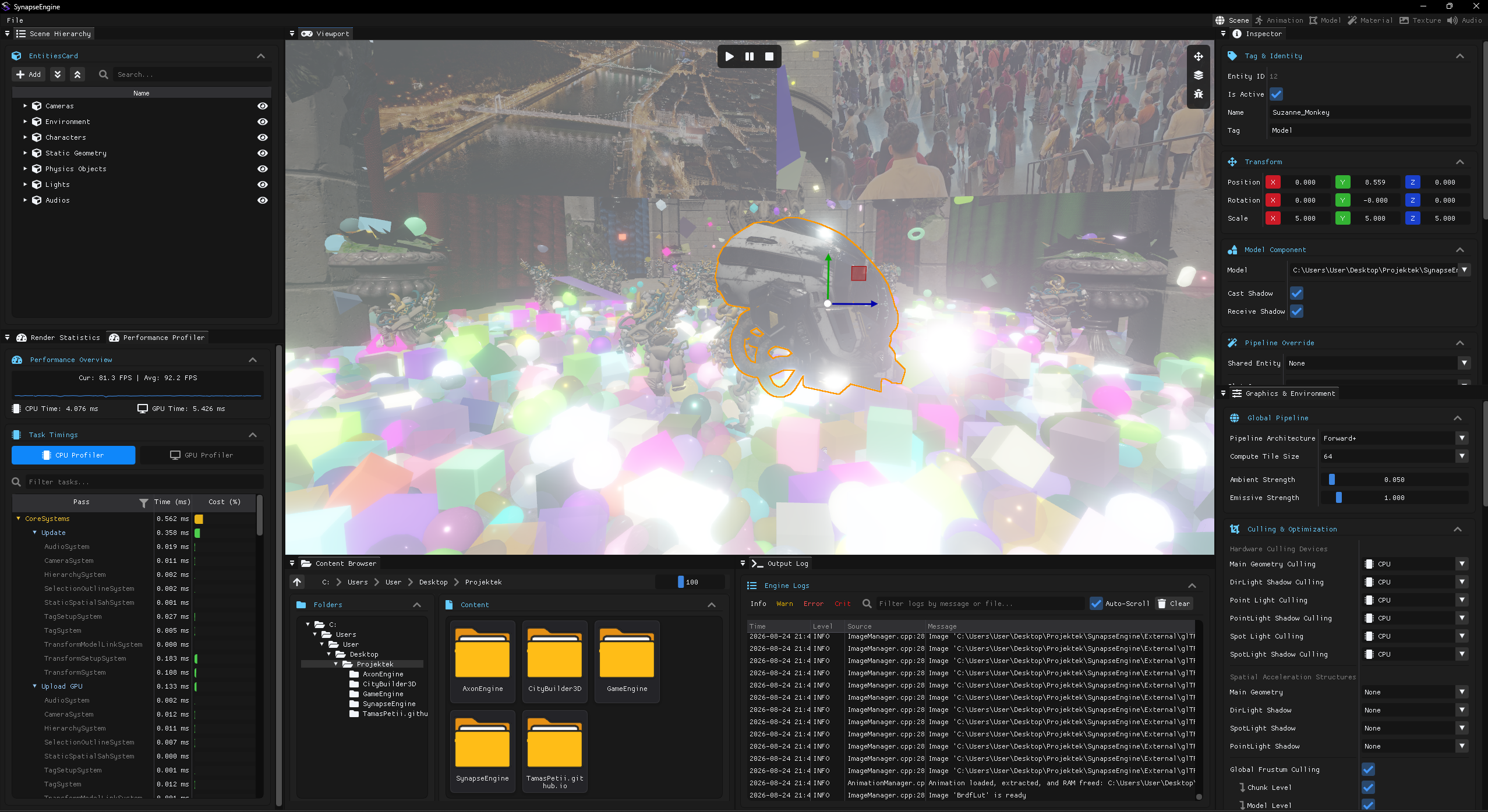
Designed for developer productivity, the engine features a comprehensive editor environment built on the Model-View-Intent (MVI) architecture. This approach cleanly decouples the rendering logic from the user interface, enabling highly customizable workspaces, real-time asset management, and intuitive visual debugging tools without sacrificing performance.
Data-Oriented ECS
Overcoming the severe performance bottlenecks of traditional object-oriented programming. The engine utilizes a fully custom Segmented Sparse-Set Entity-Component-System. Components are strictly laid out in contiguous memory using a Static-Dynamic-Stream partition, ensuring maximum CPU cache locality, O(1) lookups, and zero CPU-GPU synchronization overhead.

Thoughtful Architecture
Built from the ground up to be heavily multi-threaded and decoupled. By leveraging Taskflow, the engine distributes work across all available CPU cores efficiently through graph-based parallel execution. This ensures that rendering, physics simulation, and engine logic run asynchronously without blocking the main execution thread.

GPU-Driven Culling
The CPU generates zero direct draw calls. Complete visibility determination is executed entirely on the GPU. Using advanced compute shaders, the pipeline performs Frustum, Hi-Z Occlusion, and Zero-Pixel Triangle culling, ensuring that only the truly visible geometry is pushed to the rasterizer, drastically reducing driver overhead.
Material Bucketing
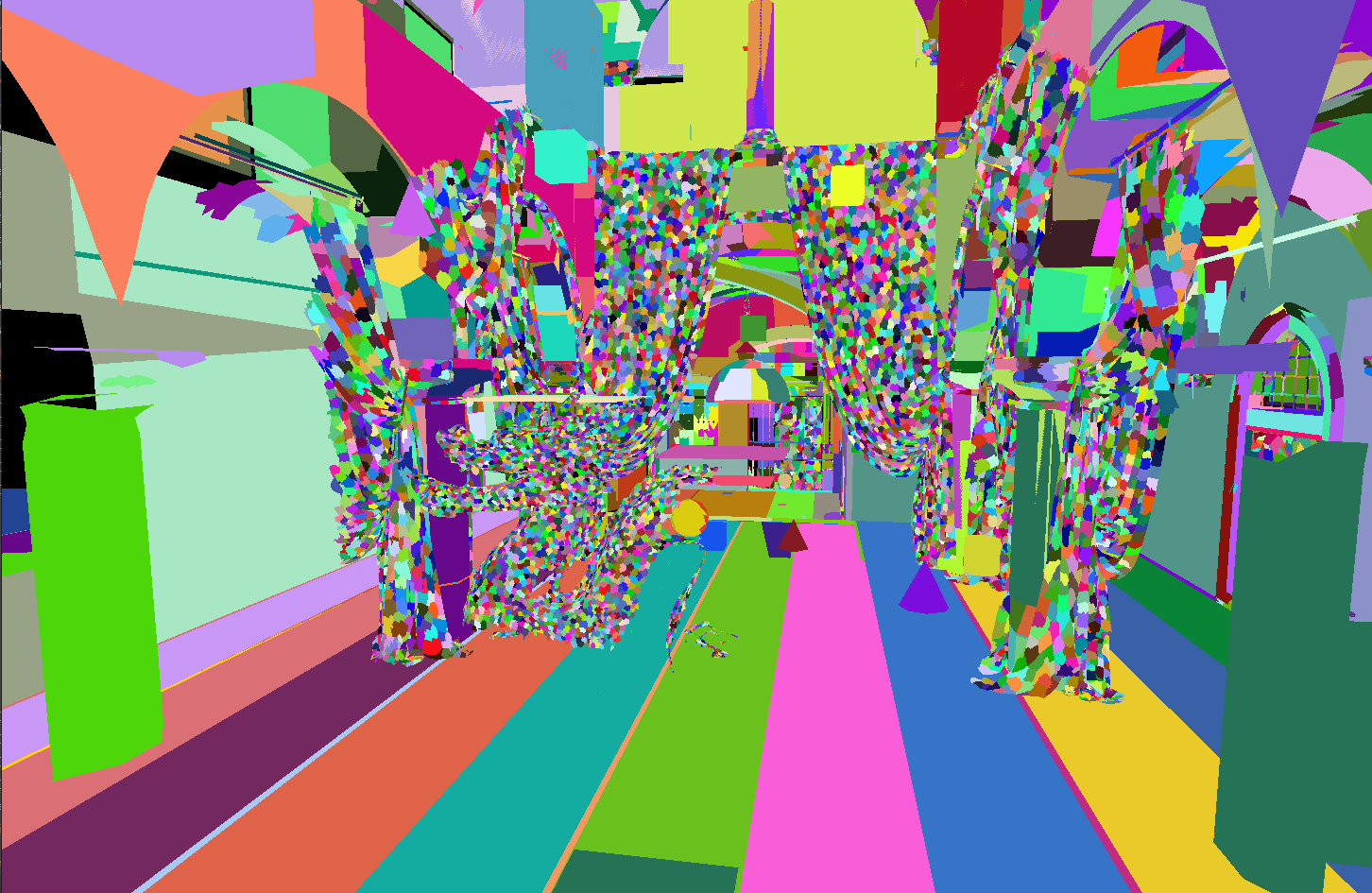
To maintain maximum efficiency across diverse materials and rendering pipelines, the architecture utilizes a custom eight-bucket indirect draw command system. Combined with a double-indirection material override mechanism and bindless resources, meshes of varying types (e.g., Opaque, Transparent) are dynamically routed and batched entirely on the GPU, completely eliminating traditional CPU-side binding bottlenecks.
Mesh Shaders
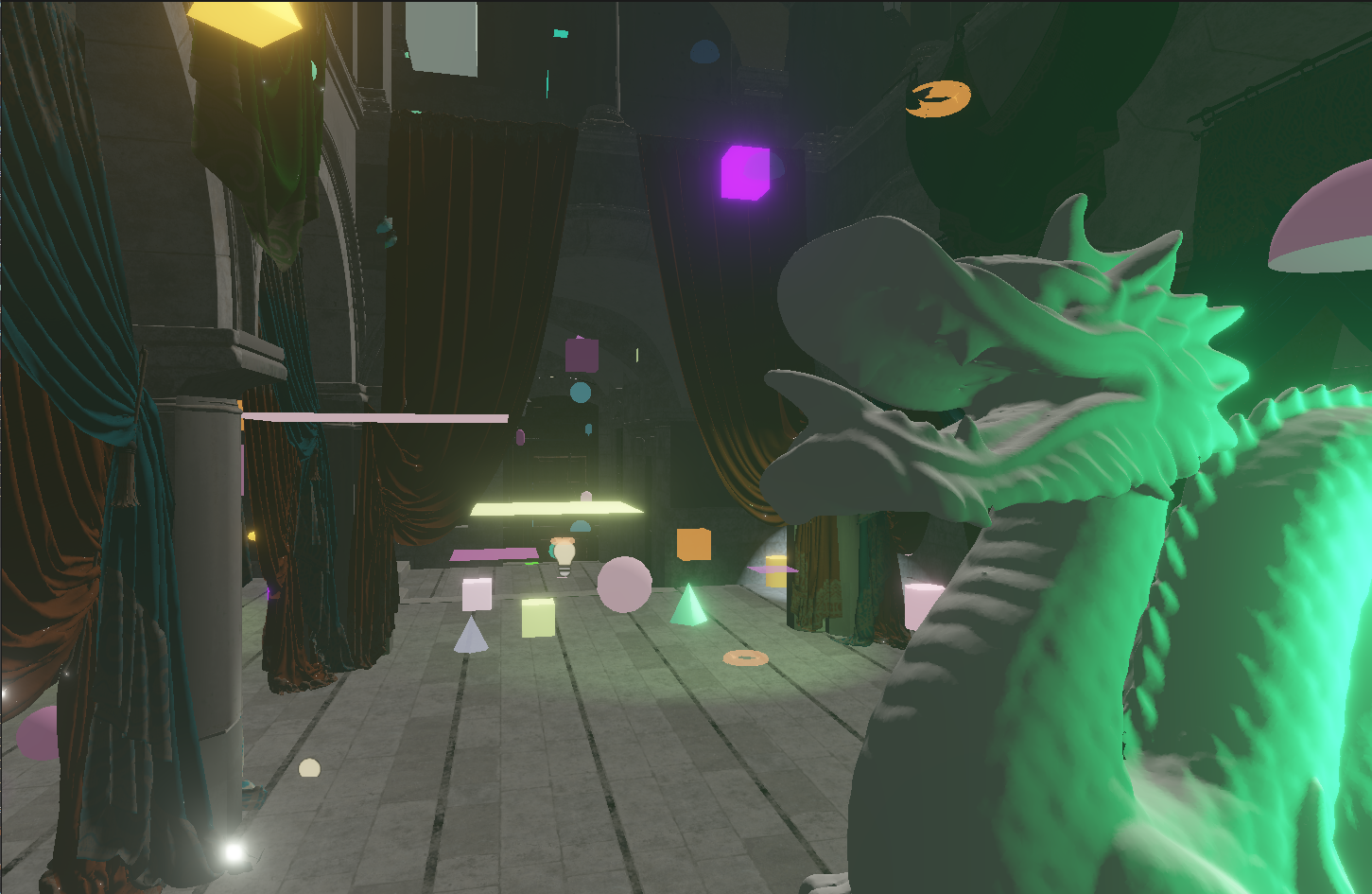
Completely replacing the traditional vertex pipeline, high-poly geometry is partitioned into small, optimized meshlets. The modern Task and Mesh shader pipeline processes these clusters in parallel, applying highly efficient cone culling at the meshlet level to discard back-facing geometry before it even reaches the rasterization stage.
Adaptive Forward+
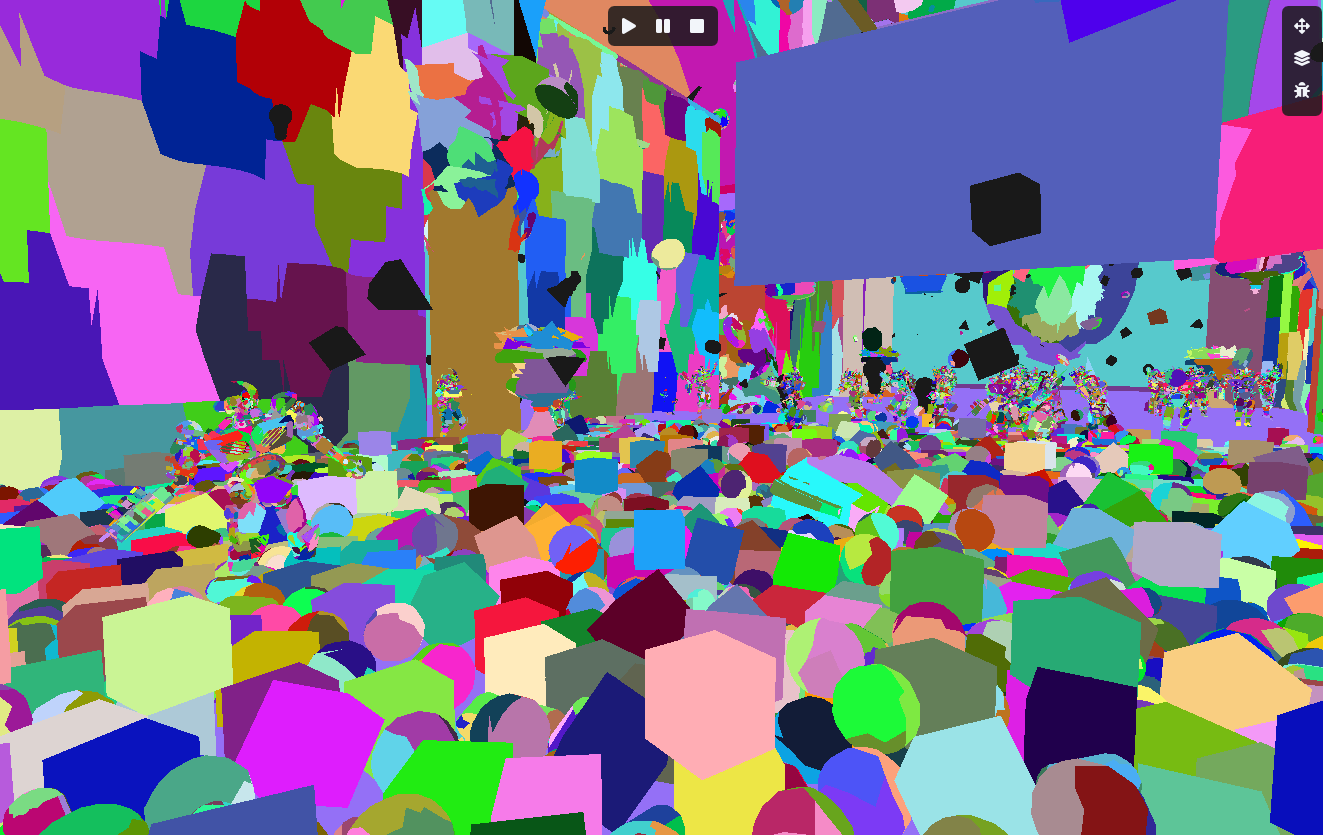
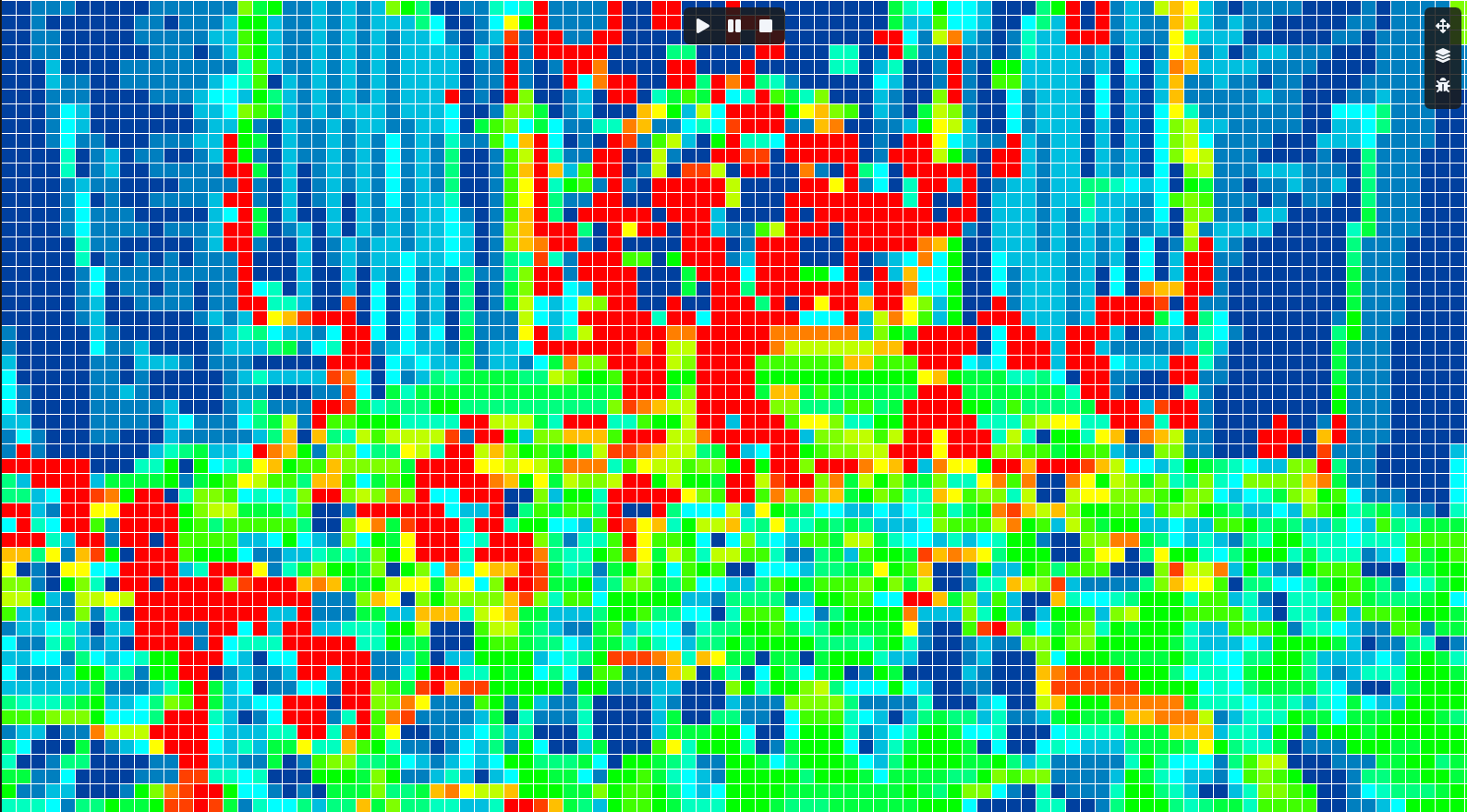
A proprietary Dual-HiZ Adaptive Clustered Forward+ rendering technique developed to dynamically adapt light culling without relying on fixed 3D spatial grids. This approach is fully integrated with bindless textures, Screen-Space Ambient Occlusion (SSAO), and Image-Based Lighting (IBL) for highly performant, physically accurate illumination.
Virtual Shadows
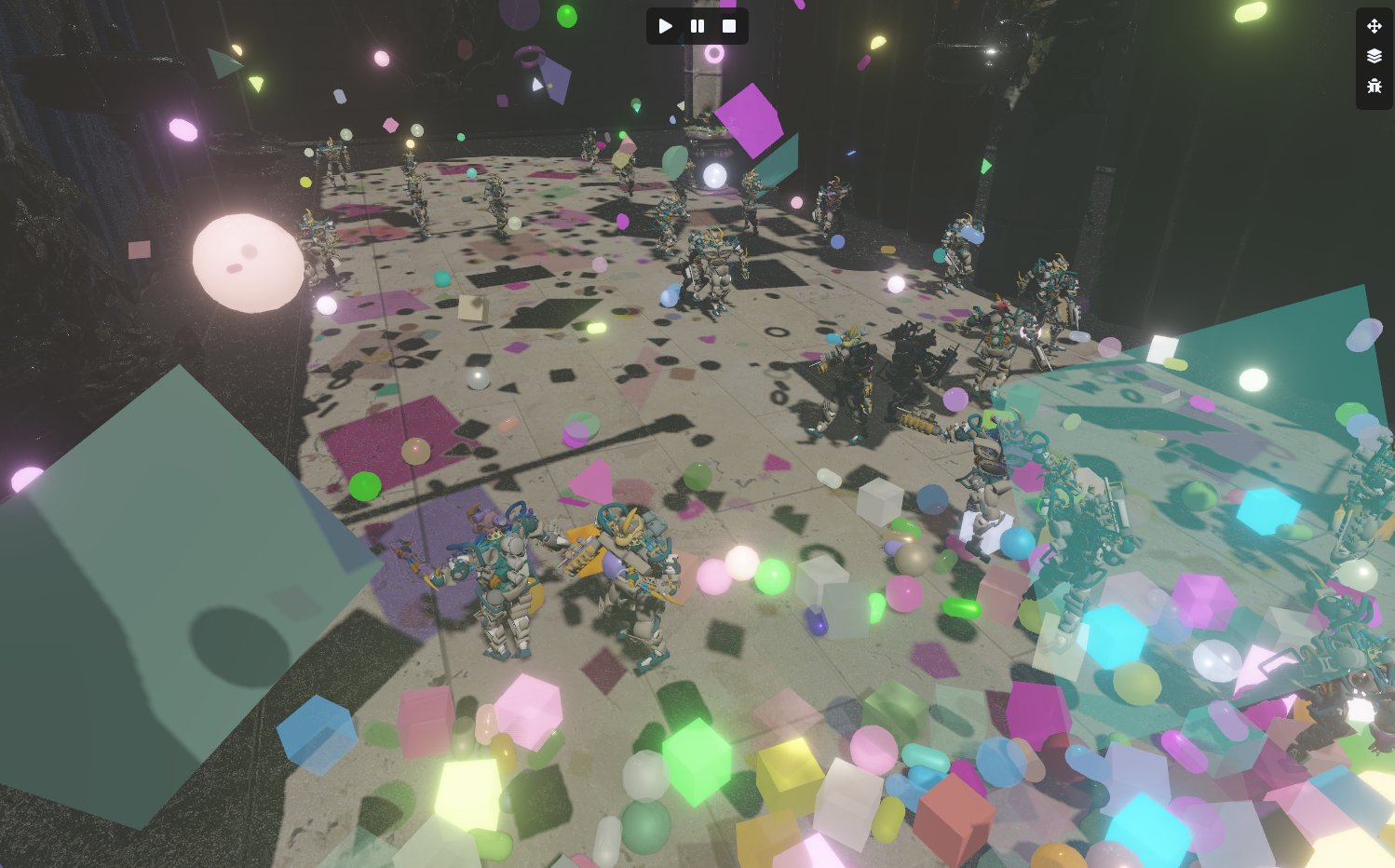
Delivering high-resolution, robust shadow mapping without the severe memory and performance overhead of traditional cascaded setups. The modern shadow pipeline supports advanced filtering and transparent colored shadow mapping, allowing for physically accurate light interactions through translucent surfaces.

Tamás Péter
Computer Engineering M.Sc. student specializing in low-level graphics programming, shader development, and engine architecture.
View Full Profile